
· 6 min read
Modern Property Management Best Practices for Efficiency and Growth
Streamline your property management with best practices: adopt integrated tech, go proactive with maintenance, prioritize tenant communication, ensure compliance, and use data-driven insights.

Introduction
Property management has always required juggling many responsibilities – marketing vacancies, collecting rents, coordinating maintenance, keeping financials, and ensuring happy tenants. Traditionally, doing all this well relied on personal experience, paper trails, and being perpetually on call.
But today’s leading property managers are augmenting those tried-and-true methods with new tools and approaches suited for the digital age. Evolving tenant expectations and competitive pressures mean that modern property management must be more efficient, proactive, and data-informed than ever before. Fortunately, technology and refined processes are helping managers achieve that.
In this article, we outline five best practices that successful property managers are adopting to streamline operations and deliver superior results. Whether you oversee a handful of rental units or a large portfolio, applying these principles can improve your bottom line, save you time, and create better experiences for you and your tenants.
What “modern best practice” means
Modern property management combines strong fundamentals (service, accountability, compliance) with digital workflows that reduce fragmentation, improve speed, and make decisions more data-informed.
1. Consolidate and Automate with Integrated Technology
One of the most impactful steps you can take is to move away from fragmented systems and manual workflows. Many property managers still struggle with disjointed tools – separate apps for accounting, spreadsheets for maintenance schedules, an email inbox for tenant requests, etc. This fragmentation wastes time and increases the chance of something slipping through the cracks.
Why consolidation improves execution
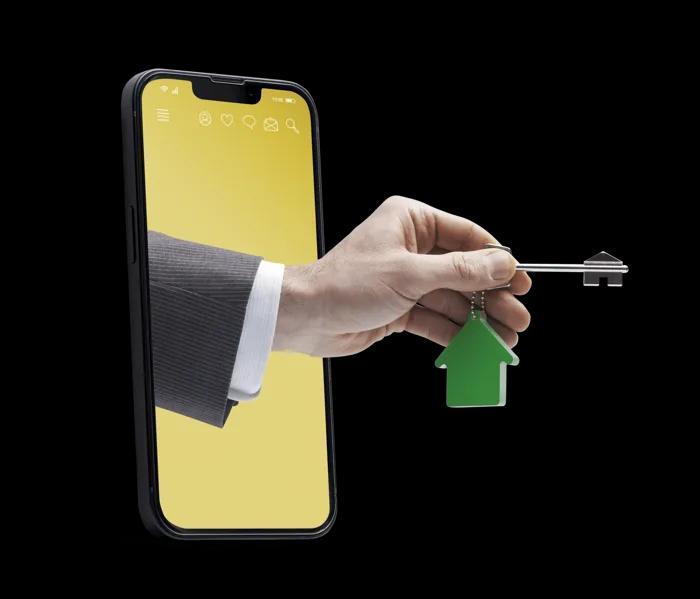
Best-in-class managers are consolidating core functions onto integrated property management platforms. By using an all-in-one software solution (or a tightly integrated set of tools), you create a central hub for all data and tasks, bringing tremendous efficiency gains. Relying on disconnected systems creates friction and slows down teams, whereas a consolidated platform streamlines operations and improves service quality (vantaca.com).
Automation removes repetitive overhead
When a maintenance request, lease document, and rent payment all live in the same system, a manager can respond faster and see the full context at a glance. Integrated platforms often allow you to automate routine tasks like sending rent reminders, scheduling preventive maintenance, or updating listings when a tenant gives notice.
Practical starting point
List your three biggest “time sinks” (late rent follow-ups, invoice processing, work order tracking, leasing paperwork). Prioritize software that reduces those first—then expand.
Migrating to a new system can be an upfront effort, but the payoff is significant: less duplicative work, fewer errors, and more time to focus on growth and tenant relationships.
2. Be Proactive with Maintenance and Inspections
A hallmark of effective property management is staying ahead of maintenance issues instead of just reacting to them. Proactive maintenance keeps your properties in better shape, saves money long-term, and keeps tenants happy (nobody enjoys surprise breakdowns).
Preventive schedules reduce surprises
Create a preventive maintenance schedule for major equipment and building systems: HVAC servicing before summer/winter, regular gutter cleanings, annual roof inspections, and more. Many managers use software or calendar reminders to track recurring tasks.
Use smarter tools where they make sense
Modern tools like predictive maintenance sensors or AI diagnostics (if budget allows) can boost foresight – some systems have shown up to 40% reductions in emergency repair costs by shifting to proactive upkeep (showdigs.com).
Inspections protect assets and reduce disputes
Routine inspections (within lease terms and local laws) help identify lease violations, safety hazards, or repair needs that tenants may not report. Use an inspection checklist and document findings (including photos) for a clean record.
Not only do prompt repairs cost less than deferred ones, being responsive to maintenance improves tenant retention. Combine responsiveness with preventive care and you’ll cultivate a reputation as a diligent manager—good for renewals, referrals, and (if you’re a management firm) attracting more owners.
3. Prioritize Clear Communication and Tenant Engagement
Open, transparent communication is fundamental to smooth property management. Keeping tenants informed and involved can prevent small issues from becoming big conflicts.
Set expectations early
Start with a clear move-in experience: a welcome packet or handbook detailing rules, procedures (maintenance requests, rent payment options), and contact information for management and emergencies.
Communicate proactively and respond quickly
Send reminders about inspections, planned maintenance, and policy updates in advance. Use multiple channels—email, text, and a tenant portal—to increase visibility. Quick response time matters: even if you can’t resolve an issue immediately, acknowledge receipt promptly.
Studies suggest that real-time updates and responsiveness lead to higher tenant satisfaction (townsq.io). Community tools (forums or messaging boards) can also reduce one-to-one calls if residents can find answers—provided there’s moderation and accurate information (townsq.io).
Small habit, big payoff
Create a simple response standard: acknowledge all tenant requests within one business day, and provide an ETA for next steps—even if the final fix takes longer.
Finally, solicit feedback periodically (surveys or quick pulse checks). Acting on feedback builds trust and improves compliance—engaged tenants are more likely to care for the property and follow community rules.
4. Leverage Data and Analytics for Decision-Making
A data-driven mindset can elevate management effectiveness. Start by tracking key metrics: occupancy rate, days on market, maintenance response times, rent collection rate, delinquency, turnover costs, and more. Many modern platforms can surface these automatically.
Use metrics to spot trends early
If one property consistently has longer vacancies, it may indicate pricing, marketing, or condition issues. If resolution times are rising, you may need additional help or a better triage process.
Apply market analytics to pricing and strategy
Market analytics (often AI-powered) can validate whether your renewal increases align with local demand and comps. In some contexts, firms using AI-driven analytics have reported better rent collection rates and fewer lease disputes by analyzing compliance and payment behaviors (wiss.com).
Financial analytics can also pinpoint where money is going. For example, a breakdown of maintenance expenses might reveal an aging system causing disproportionate costs—helping you justify a capital upgrade with evidence rather than intuition.
Key takeaways
- Track the few metrics that truly drive your portfolio outcomes (don’t drown in dashboards).
- Review trends on a recurring cadence (monthly/quarterly) and assign owners to action items.
- Use data to explain decisions to owners, boards, and stakeholders with clarity.
5. Ensure Compliance and Mitigate Risks
Compliance and risk management are non-negotiable. Best operators bake them into regular workflows—not as an occasional task. Stay up-to-date on fair housing rules, local landlord-tenant ordinances, building codes, privacy requirements, and any relevant procedures.
Standardize compliance checkpoints
Use consistent screening criteria and apply them uniformly. Maintain legal lease templates and notices (ideally attorney-reviewed). For financial compliance, keep meticulous records: property accounting tools that log payments, invoices, and deposits with timestamps can be a lifesaver in audits.
Audit and assess risk proactively
Routine audits and risk assessments are recommended for PropTech companies and can be equally useful for property managers (hicronsoftware.com). Periodically verify deposits, certifications (alarms, elevators), and safety checklists. Assess liabilities: lighting, walkway conditions, and security measures.
Modern risk includes data security
With digital tools, tenant data security matters. Ensure vendors use encryption and privacy protections, and implement access controls so only authorized staff can view sensitive information.
Compliance mindset
The goal isn’t “perfect paperwork.” It’s a repeatable system that prevents problems, preserves trust, and makes audits and disputes easier to resolve.
Practical Insights: Bringing It All Together
Implementing these best practices can be phased in gradually. Start by identifying your biggest pain point or opportunity. If collections and bookkeeping are messy, focus on tech consolidation and data. If complaints are frequent, prioritize communication and proactive maintenance.
Create a roadmap: adopt integrated management software this quarter, revamp tenant communication next, and roll out a preventive maintenance plan over the next six months. Involve your team—the people closest to the work often have the clearest view of where inefficiencies live.
Invest in training for both staff and tenants. If you introduce a portal, provide simple guides and a quick Q&A. Measure impact as you go: did work order resolution improve after preventive scheduling? Did satisfaction rise after communications automation?
Remember the point of digitization
Technology should remove drudgery and chaos—so you can spend more time on high-value, human work: relationships, negotiation, and strategic improvements.
How ExelonProp Helps
In the journey toward modern best practices, the right toolset can make all the difference. ExelonProp’s all-in-one property management platform is designed to support many of the improvements discussed above. It provides a unified system that combines lease management, maintenance tracking, accounting, and communication—addressing fragmentation directly (vantaca.com).
Managers can automate reminders and recurring tasks, and offer tenants a self-service portal for requests and payments—reinforcing consolidation, proactivity, and open communication. Because ExelonProp leverages analytics, it can highlight trends such as repeat issues in a unit or pricing gaps versus comps (planradar.com).
The platform can also strengthen auditability: detailed logs and tamper-resistant record-keeping help support compliance workflows and dispute resolution. ExelonProp doesn’t replace good judgment or personal service—but it can make consistent execution much easier.
Conclusion
The landscape of property management is evolving rapidly, but sound best practices provide a reliable compass. By consolidating systems and automating where possible, you reclaim time and reduce mistakes. By shifting to proactive maintenance, you protect assets and keep tenants comfortable. Clear, empathetic communication builds trust and retention. Data and analytics help you steer with facts, and strong compliance protects your business and reputation.
These practices are interrelated—success often comes from doing all of them reasonably well, rather than excelling at one while neglecting the others. Technology can amplify your efforts, but it’s ultimately an enabler. The goal is a smoother operation, better financial outcomes, and a calmer day-to-day experience for you and your team.
Some firms that streamlined workflows and embraced digital tools saw significant portfolio growth—doubling units under management thanks to newfound capacity (vantaca.com). In a margin-sensitive industry, these gains can become a lasting advantage.
References
- vantaca.com
- showdigs.com
- townsq.io
- wiss.com
- hicronsoftware.com
- planradar.com